
Augusta’s New Center of Hope
A Space Designed for Dignity
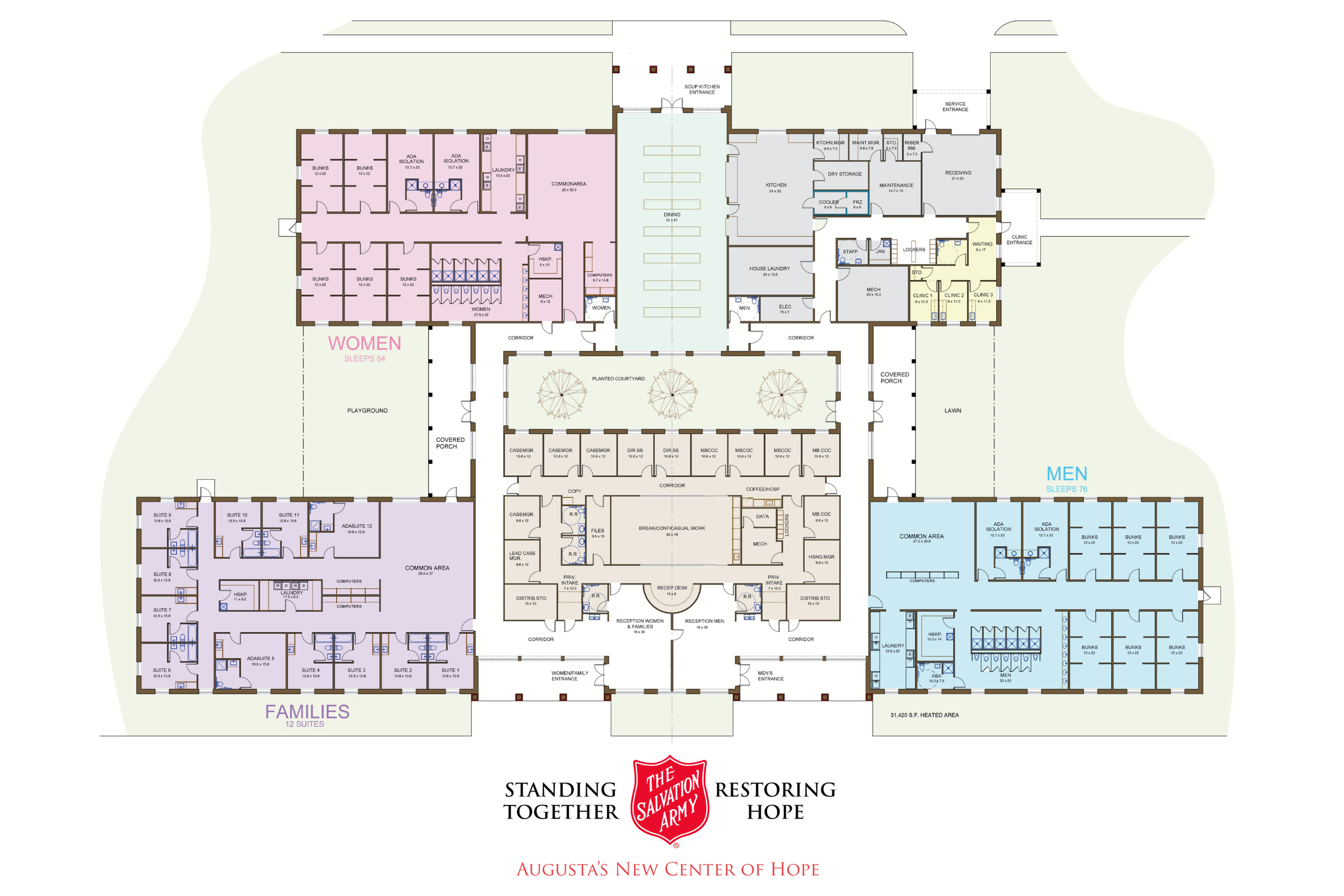
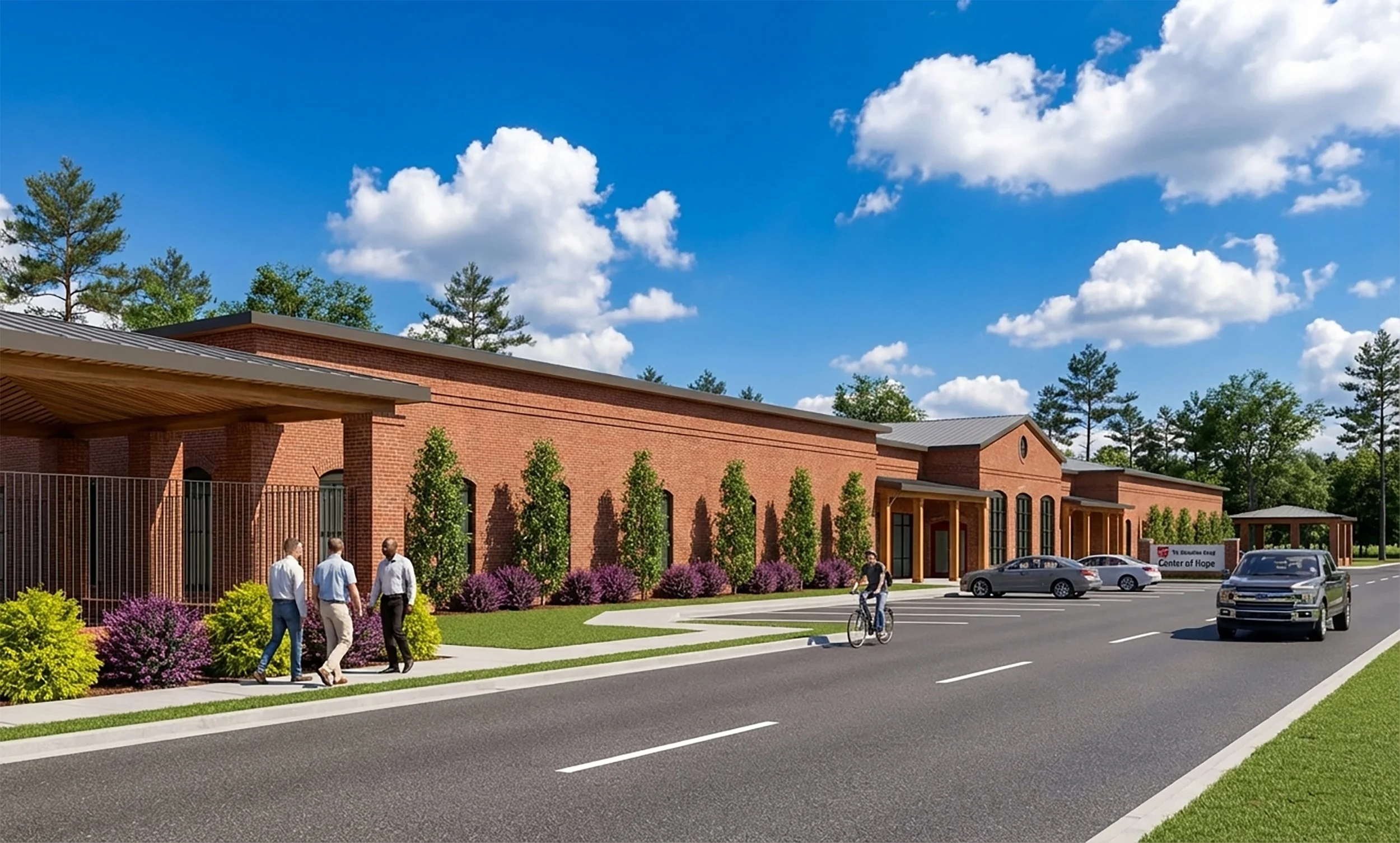
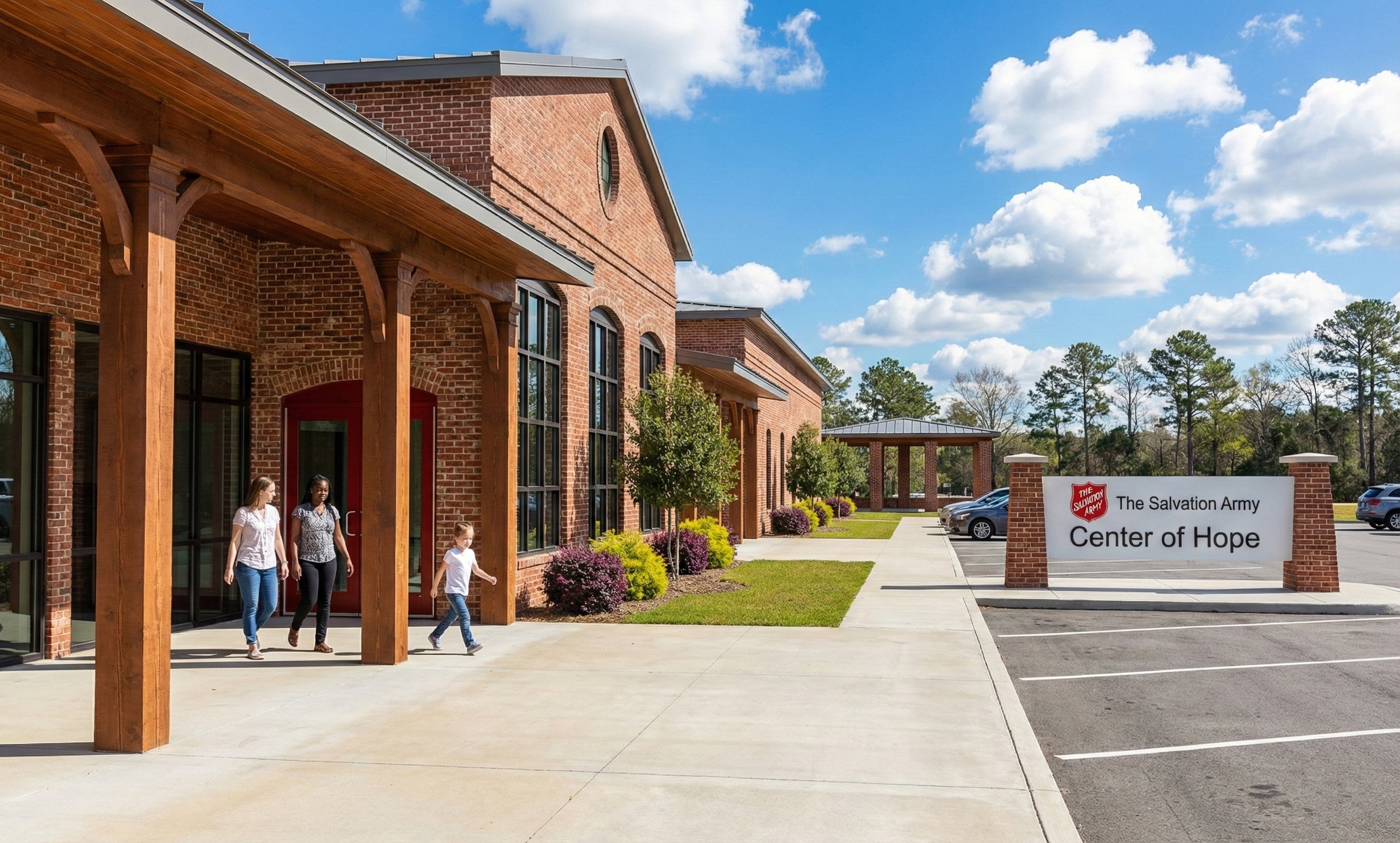
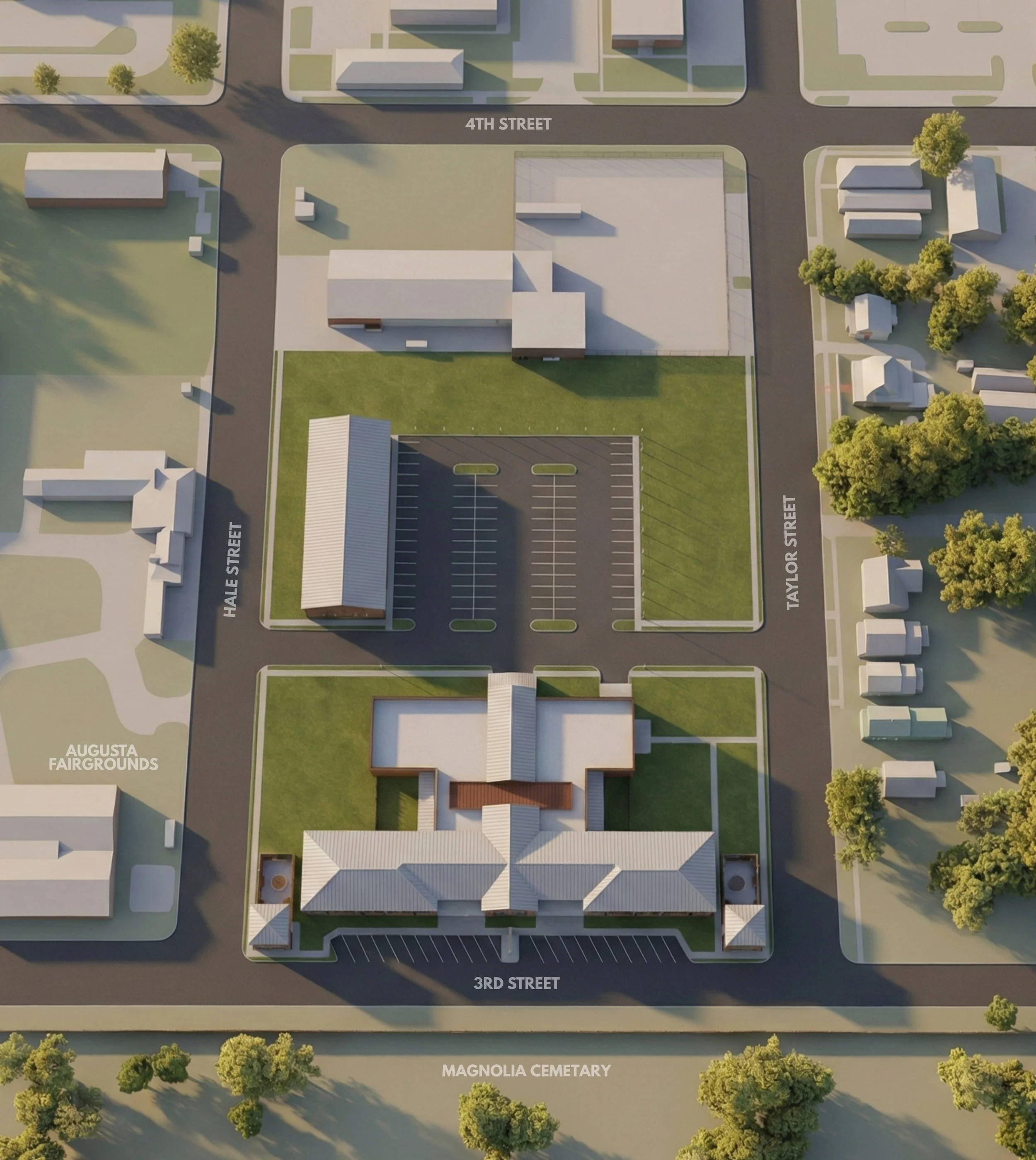
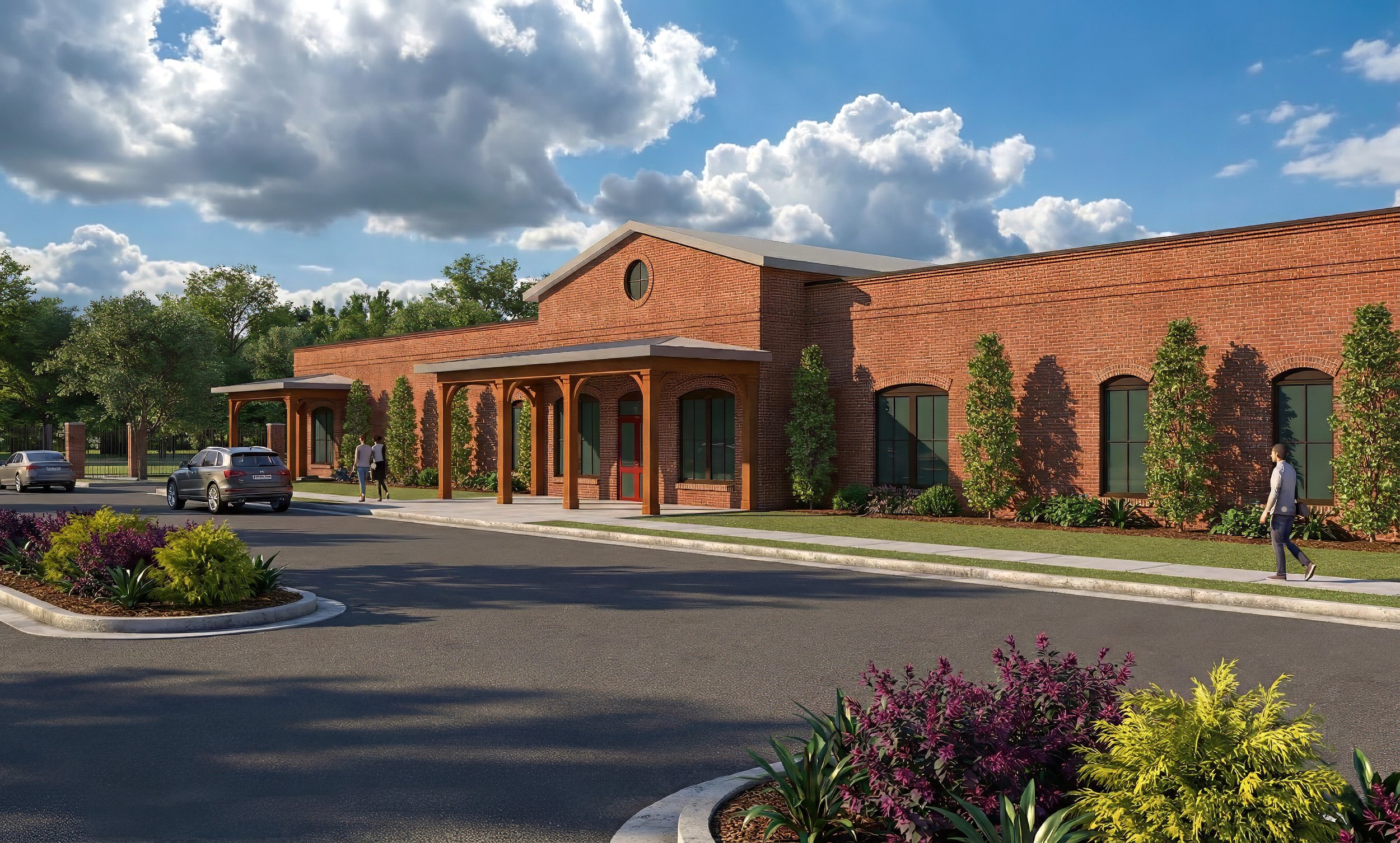
The new facility is intentionally organized into defined areas for families, women, and men, with centralized services and secure access throughout. Every square foot is designed to promote safety, structure, and progress.
Why A New Center?
For more than 50 years, The Center of Hope has served as Augusta’s only emergency overnight shelter — and remains the area’s only overnight shelter serving families.
But the need has grown — and the current space was never designed to meet today’s demand.
The new Center of Hope will nearly double current capacity, housing up to 200 individuals, while providing safer, more effective care for every client.
This is not expansion for growth’s sake. It is an expansion for dignity, safety, and meaningful progress.
Designed with Intention
This is not simply a larger shelter. It is a purpose-built environment designed around stability, safety, and forward movement.
The new Center of Hope includes:
Separate entrances and reception areas
Families with children and women will have distinct, secure entry points separate from those serving men — reducing chaos and increasing safety from the moment someone walks in.Three defined living environments
Separate areas for men, women, and families with children — including 12 non-congregate rooms designed to keep families together during crisis.Private case management and counseling spaces
Confidential areas where clients can meet with staff, access services, and begin building a long-term stability plan.The ability to separate clients when needed
Creating structure, reducing disruption, and promoting safety within the shelter community.
Built for Stability
An emergency overnight shelter provides immediate, temporary refuge for individuals and families facing homelessness — but effective shelter is more than a bed.
It includes structured casework, resource navigation, and accountability that support long-term transition to stable housing.
Clients will have access to:
Clean, accessible bathrooms and showers
On-site laundry facilities
Computers and internet access
The ability to receive mail — often required for employment, benefits, and housing applications
Most importantly, this purpose-built shelter creates consistency. When someone knows they have a safe place to sleep, they can build trust with caseworkers, maintain employment, and take meaningful steps toward permanent housing.
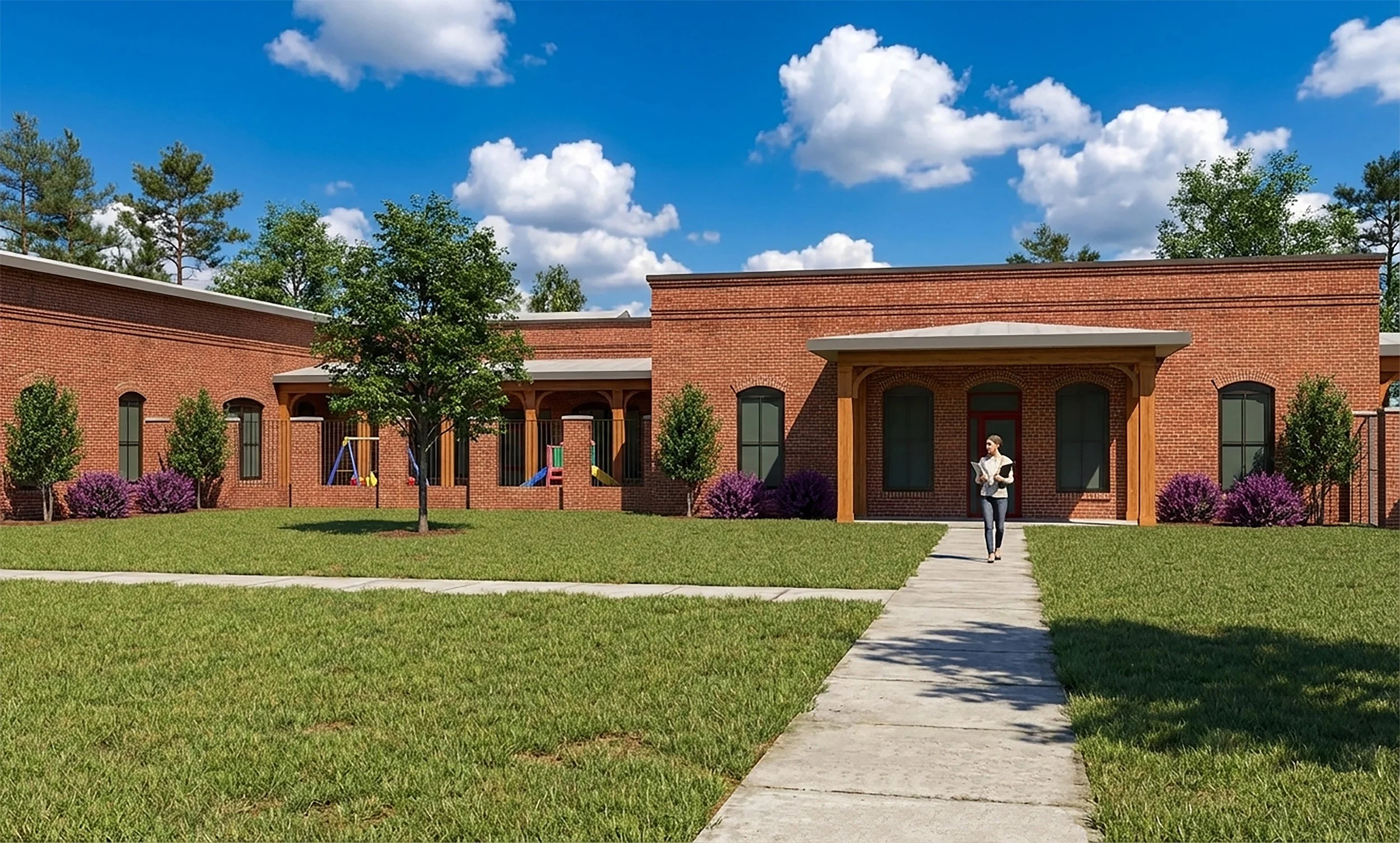
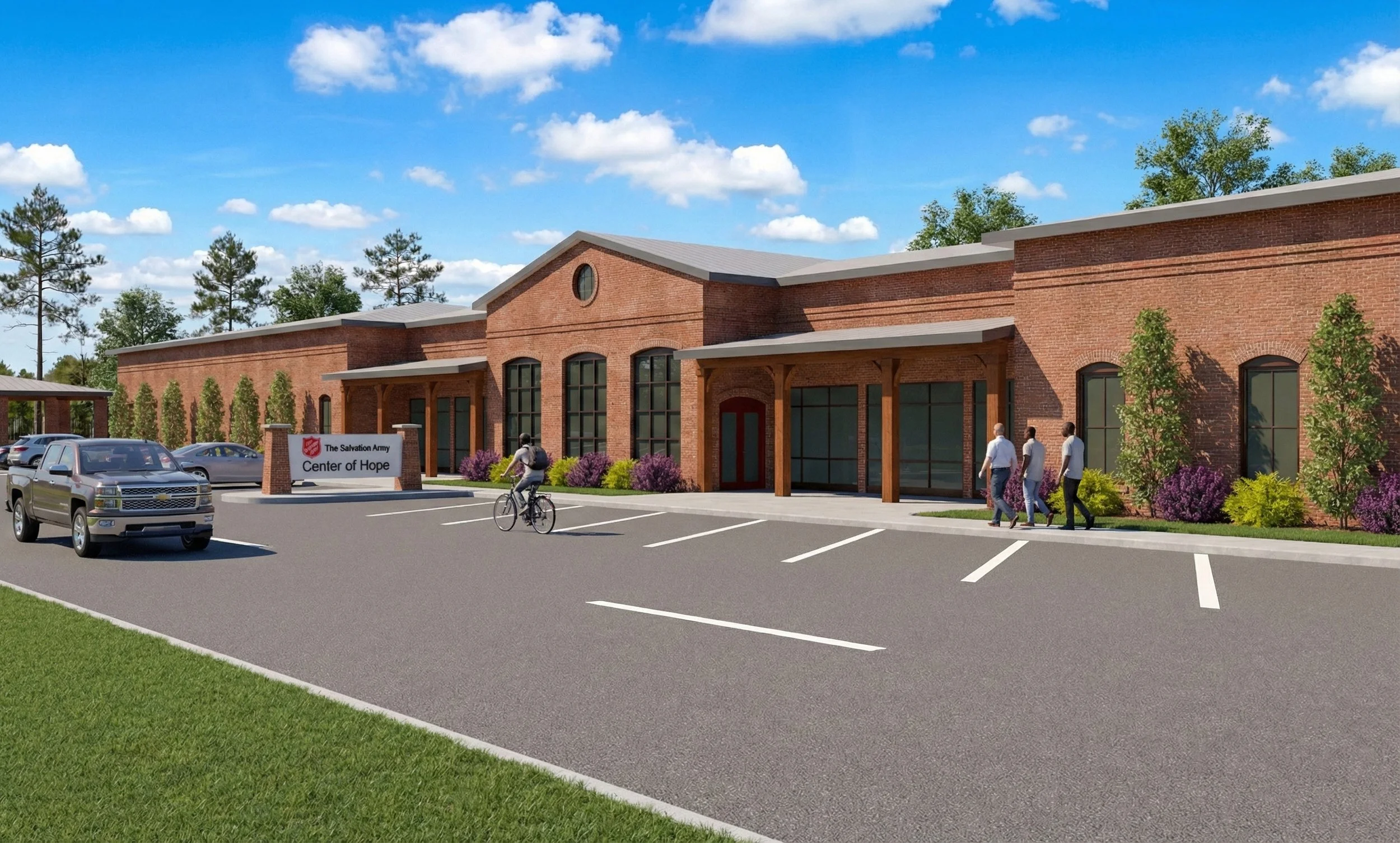
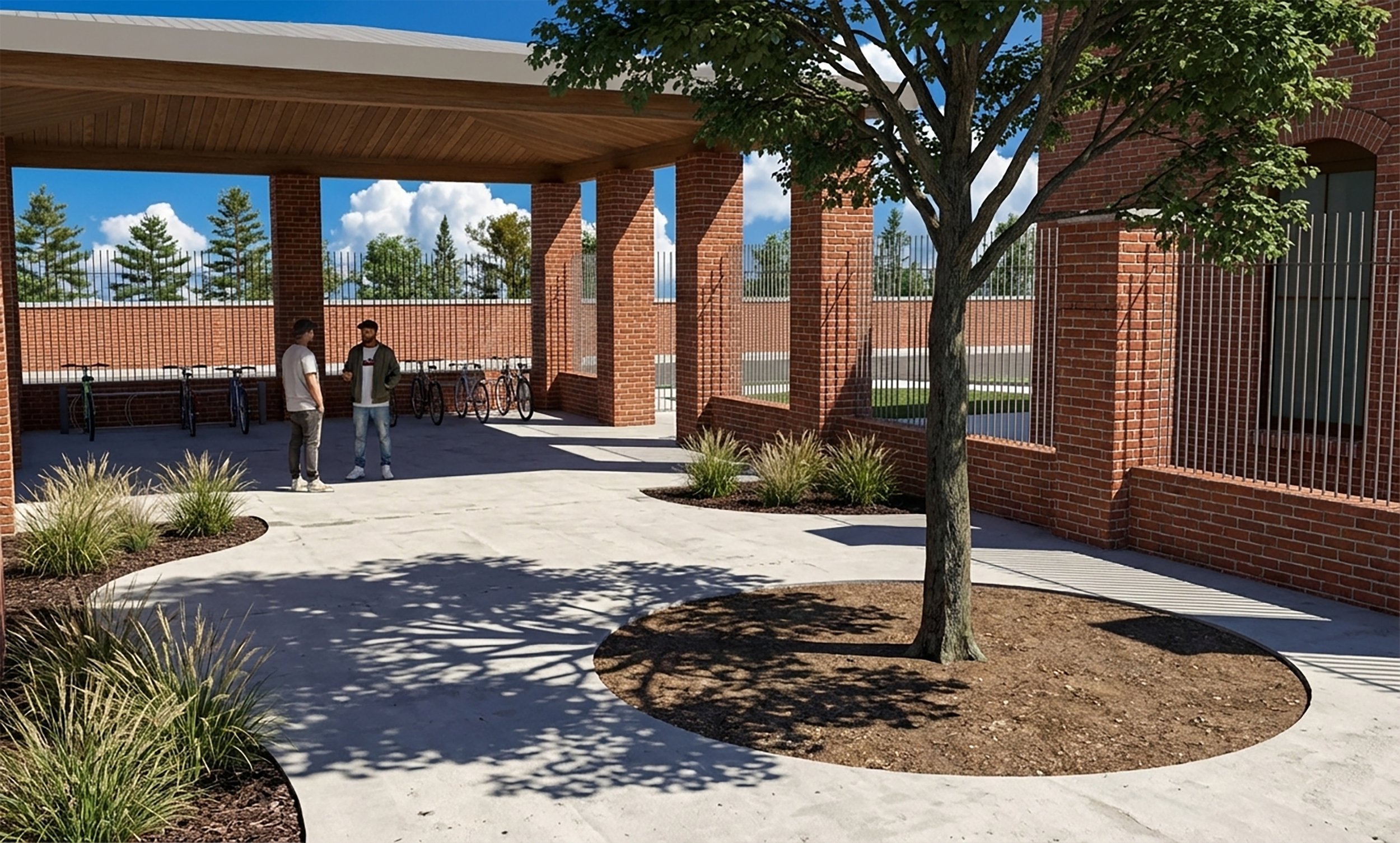
Help Build this Vision
